
Author: JIE GONG, JIN LI, AND AIKEN YUEN
Background: Company and Managerial Model
KFC is the flagship brand of Yum China and the leading quick‑service restaurant chain in China. It opened its first restaurant in Beijing in 1987 and, by the end of December 2023, had grown to more than 10,000 outlets in over 2,000 cities across the country, making it the first Western quick‑service restaurant chain in China to cross the 10,000‑store milestone.
Inside its operational hierarchy, KFC’s store managers—Restaurant General Managers (RGMs)—are the backbone of performance. Each RGM is responsible for the profit-and-loss of their store, overseeing day-to-day operations, staffing, food safety and quality, and customer satisfaction. The company follows a “RGM Number One” philosophy and promotes its managers from within. Historically, it has taken typically two to three years for a new hire to progress to an RGM role, reflecting both the complexity of the job and the firm’s commitment to internal development.
Challenges
The first challenge was the complexity of the RGM role. Running a modern KFC restaurant involves reading demand patterns, forming and updating forecasts, converting those plans into hour‑by‑hour staffing, managing inventory and food safety routines, and documenting what happens. On top of that, they face daily surprises: a sudden thunderstorm may sharply reduce on-premise demand while increasing delivery orders, a key piece of equipment breaks down, or a team member suddenly cannot make a shift or sometimes a marketing promotion brings in more traffic than expected. Internally, senior leaders sometimes describe the job as “a kind of rocket science”—complex, precise, and unforgiving of errors. Over time, these demands pulled many RGMs into the back office and into spreadsheets, leaving less time for what differentiates service businesses: being present with customers, coaching teams during peak periods, and adapting to local market conditions.
The second challenge came from growth. KFC’s store density in China stood at about 9 restaurants per million people, compared with roughly 24 per million in Japan. Yum China’s leadership articulated a goal of reaching 20,000 total locations by 2026. This expansion plan implied thousands of additional stores over a relatively short horizon. With a promotion‑from‑within culture and a multi‑year path to RGM, ensuring the pipeline of qualified restaurant managers to meet the pace of new openings presents real challenge. The practical choices were all costly. One option was to shorten training, which could result in less‑prepared managers. Another was to hire externally, raising questions of cultural fit and consistency. A third was to slow expansion and cede opportunities to competitors. The bottleneck was not the availability of frontline workers, but the capacity to develop and deploy enough capable store managers.
The Intervention
KFC’s intervention started at the manager’s desk. Building on a decade of digitalization, the company embedded artificial intelligence directly into the manager’s daily operating rhythm—forecasting, labor scheduling, ordering, food preparation schedule and exception detection. The goal was not to replace RGMs, but to shift a significant portion of routine, data‑heavy work from humans to machines, and in doing so to free up managerial attention for judgment and leadership.
RGMs gained access to an integrated suite of AI‑enabled systems that functioned as a digital co‑pilot. In labor scheduling, the tools used half-hourly sales forecasts to generate optimized rosters that managers could review and adjust rather than build from scratch. For inventory management, real‑time data and predictive analytics translated into replenishment suggestions that reduced waste while maintaining freshness standards for different product categories. Underneath these applications were store‑level demand‑forecasting models, including half-hourly projections, that informed both staffing, procurement decisions and real time food preparation. All of this was brought together in an operation “super brain,” a dashboard that consolidated exceptions, anomalies, and customer feedback into a set of actionable prompts for the RGM.
Crucially, these tools centralized intelligence without displacing local judgment. Algorithms aggregated data across days, products, and channels, but RGMs still understood their neighborhoods in ways that no model could fully encode. A manager in a shopping mall might know that a weekend promotion is likely to lift overall traffic and shift peak hours. Another, near a stadium or concert venue, might anticipate that a big event will push the dinner rush later into the evening. A third might notice that a nearby competitor has introduced a new weekday discount that is starting to draw away price‑sensitive customers. The AI system could not see these things in advance, but once the heavy analytical work was automated, RGMs had more time and mental bandwidth not only to notice such signals and act on them, but also more importantly to ensure top-notched customer service and product quality.
Results and Consequences
One direct result was a shift in how RGMs spent their time. With much of the scheduling, ordering, and monitoring work handled or pre‑processed by the AI systems, managers are expected to be spending less time on back‑office tasks and more on the floor. They could be present during peak hours, watch the customer flow, coach kitchen staff in real time, and intervene quickly when a service issue emerges. The system highlighted where attention was needed; the manager decided what to do and mobilized the team accordingly. This rebalanced the role toward customer‑oriented judgment and people leadership.
A second consequence was that KFC was able to redesign its management structure through a program known as MEGA+. As AI tools absorbed routine planning and freed up managerial capacity, the company made a conscious choice not to simply let that time dissipate. Instead, it used MEGA+ to assign qualified RGMs to oversee clusters of nearby stores. Rather than one store per manager, an experienced RGM could now supervise multiple locations—on average two to four stores with their management team, leading a total of 60 to 90 staff, and in some mature cases up to five, according to internal observational data. MEGA+ effectively “stacked up” managerial capacity freed by AI, allowing KFC to scale up management, support its expansion plans, and maintain service and quality standards rather than trading them off against growth.
A third impact was on the career path. Because the toolkit embedded many of the planning routines and offered in‑line recommendations, new managers could learn the job faster. Tasks that once required years of accumulated experience—constructing accurate schedules, tuning prep to demand, spotting patterns in complaints—were now supported by systems. The company estimates that the time needed to develop an RGM can be reduced significantly. This accelerated pipeline helps align the supply of managers with the pace of store openings and gives high‑potential employees a clearer, faster path to leadership and a higher salary that comes with it.
There were additional organizational implications as well. The profile of a successful manager shifted. Procedural mastery and memory of “how things have always been done” became less central, while comfort with data, the ability to interpret system prompts, sound judgment about when to accept or override those recommendations in light of local conditions, and skill in coaching and motivating diverse teams became more important. Training content began to tilt away from manual planning techniques and toward analytics literacy, service recovery, and local marketing. As more of the planning and monitoring work was standardized through the toolkit, it became possible that performance dispersion across stores would shrink, as weaker units were pulled closer to the system average. At the same time, the combination of AI assistance and multi‑store responsibility created room for a group of particularly capable “super managers” to extend their impact across several restaurants, potentially reinforcing differences at the top end of the distribution. As spans of control widened, the role of intermediate layers and the way performance was measured had to evolve. Area and district leaders could rely on more standardized reporting and AI‑generated indicators, but they also had to support RGMs who were now responsible for multiple stores.
*All Nano Case materials may be used for non‑commercial purposes with proper citation. Commercial use requires prior permission from CAMO.
Table of Contents
Click to Jump ⬆️
Author



More Nano Cases
Latest Events.
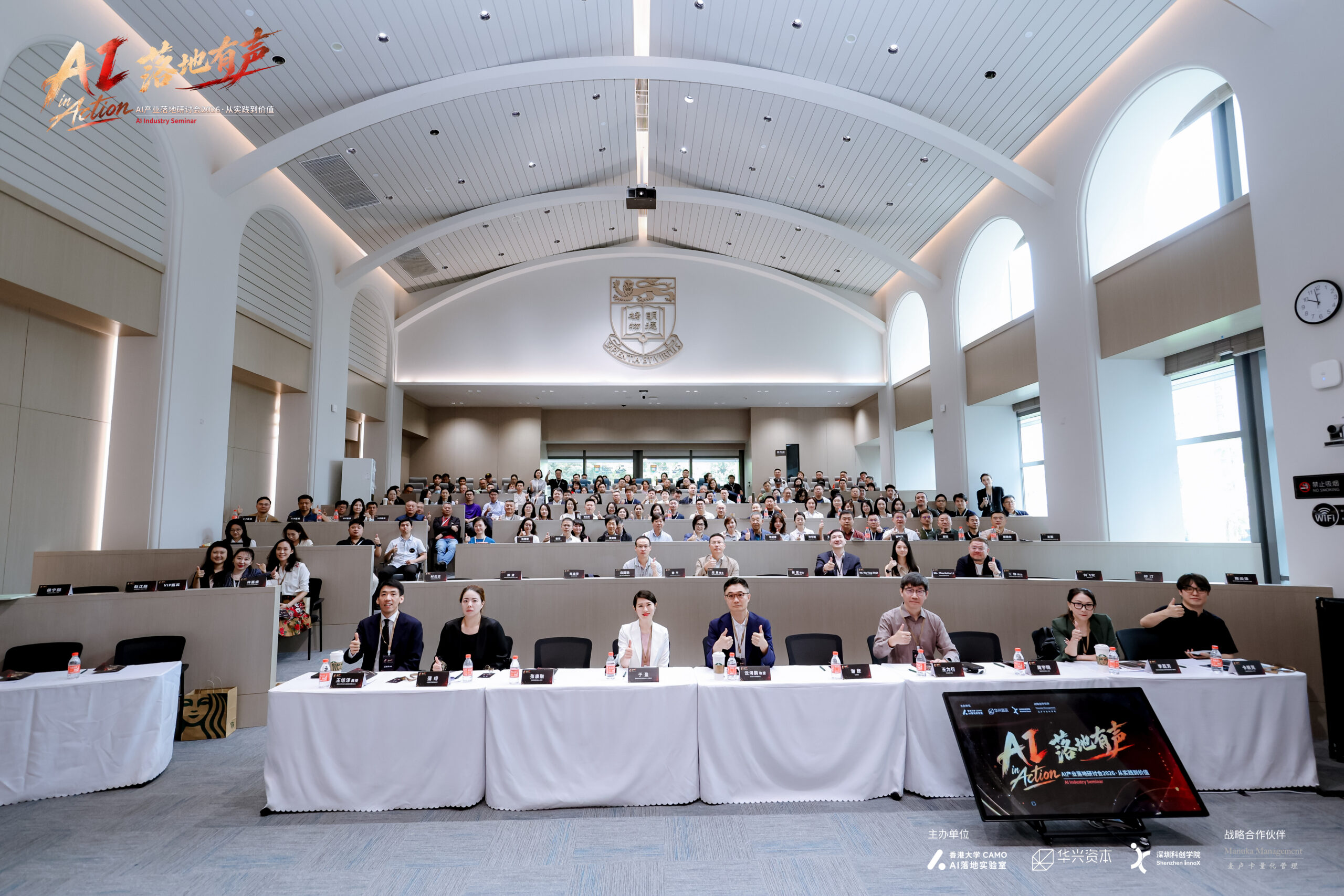
從模型能力到產業價值:企業AI落地的第一手經驗
AI IN ACTION·落地有聲——2026 AI產業落地研討會近250位企業創始人與決策者、技術推動者、投資人以及高校研究者齊聚深圳,共同探討AI在企業中的真實落地 上午的圓桌論壇由王培淳教授主持,主題是「AI在醫療與金融:從應用探索到價值創造」。 在「AI時代下的製造業和服務業智能化新範式」圓桌中,長信科技李荔芳、儒拉瑪特智能陳雲澤、靈美智能張康融、明略科技姜平、海致科技何飛宏等嘉賓,分享了從大型組織OKR對齊、製造數據與參數優化、到零售具身智能和產業智能體的落地案例。
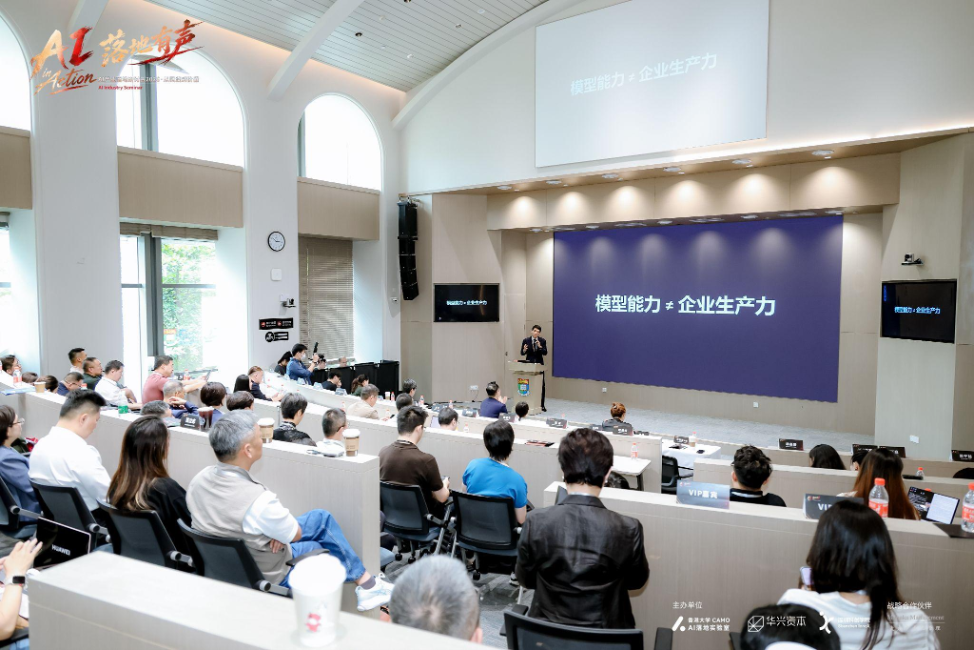
從模型能力到企業生產力:AI落地需要跨越的距離
AI模型越來越強,企業生產力為何沒有同步提升?從歷史上的技術變革到今天的企業實踐,模型能力與經營價值之間,仍有一段需要通過流程與組織調整來跨越的距離。2026年9月16日,由香港大學CAMO AI落地實驗室發起,聯合華興資本、深圳科創學院舉辦的「AI in Action·落地有聲——2026 AI產業落地研討會」在香港大學經管學院深圳校區舉行,圍繞AI如何進入真實業務、從試點走向規模化展開交流。研討會發起人、港大經管學院管理及商業策略學副教授、AI落地實驗室主任王培淳教授在「企業AI落地:從試點到規模化」主題分享中提出,模型能力的提升,並不意味著企業能夠自動獲得相應的生產力提升。如何跨越兩者之間的距離,是這場研討會關注的核心問題。 一邊討論AI是否失控,一邊還在摸索如何用起來 王培淳教授在「AI in Action·落地有聲——2026 AI產業落地研討會」中發言 在開場中,王培淳教授把兩個相距甚遠的AI話題放在了一起:一邊,是前沿研究者對AI可能導致人類滅絕的警告,以及放慢前沿模型發展的呼聲;另一邊,則是本次大會報名問卷中的一個數字——55%。 在參與本次報名問卷的企業中,55%仍處於觀察評估或試用AI工具的階段,22%已在具體業務場景中開展試點,23%進入規模化應用或系統性佈局階段。一邊已經在擔心AI的能力超出人類控制,另一邊卻有超過一半的填答企業還在摸索怎樣把AI用起來。 未來的安全風險,與今天企業的應用困難,可以同時存在。王培淳教授強調,模型能力並不等於企業生產力,而兩者之間的距離,正是本次研討會希望討論的問題。 王培淳教授在「AI in…
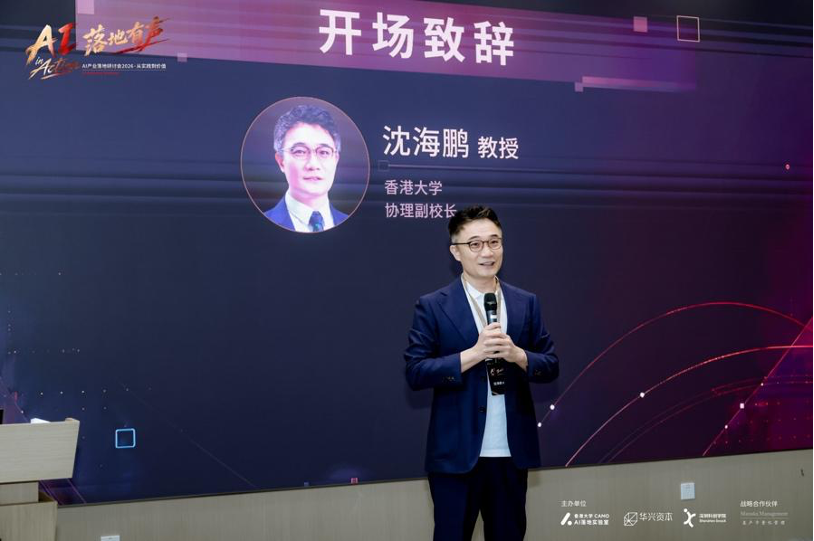
沈海鵬|人工智慧時代的「快與慢」:在快速發展中尋找技術創新的平衡
人工智慧正處於快速發展的階段。隨著模型能力持續提升,AI 正在成為全球科技創新的重要方向。與此同時,在技術快速迭代、資本持續推動及應用場景不斷拓展的過程中,如何保持創新速度、如何進行沉澱與思考、如何推動不同領域之間的融合,也成為人工智慧發展過程中需要持續關注的問題。
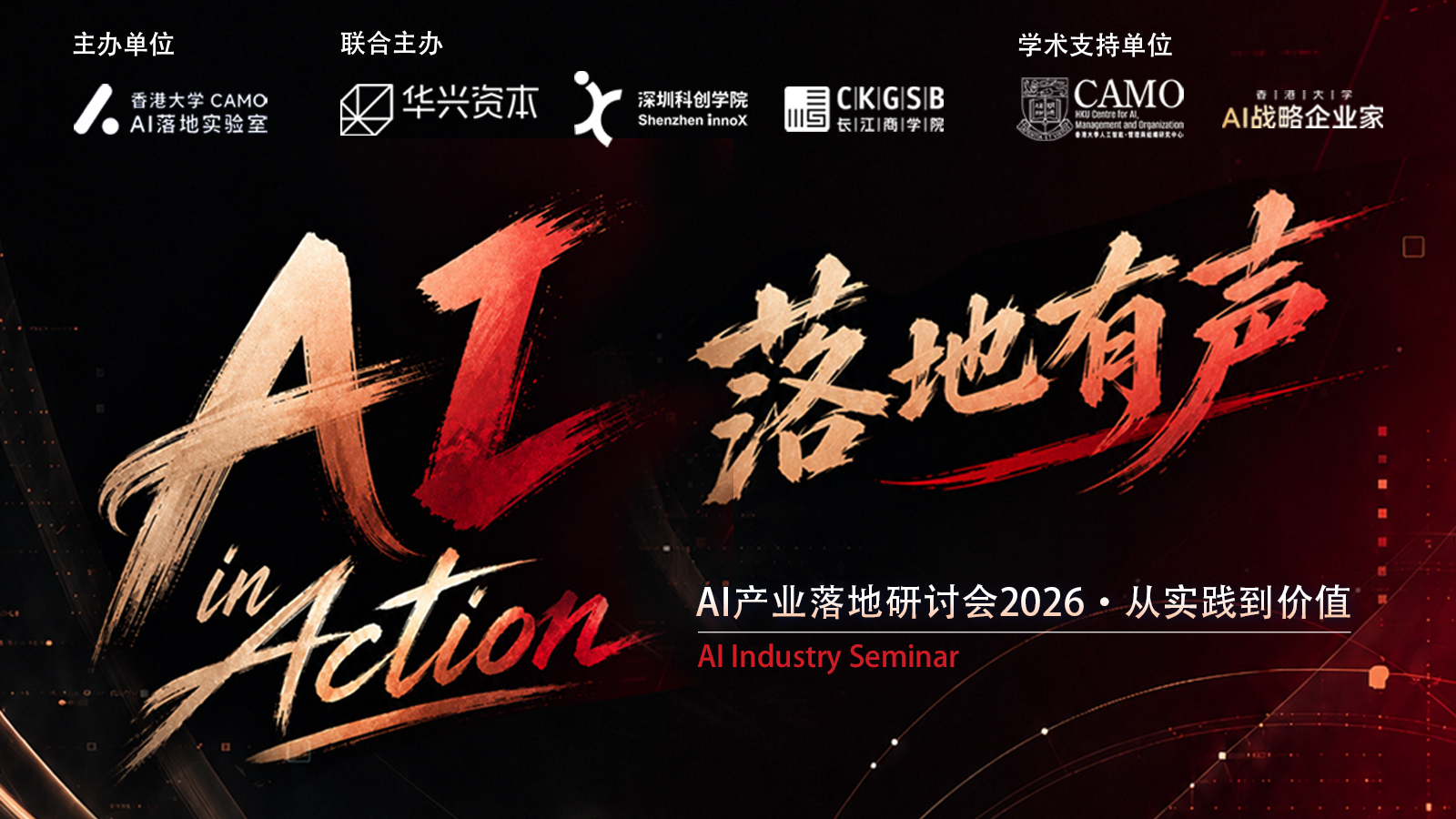
16 September 2026| AI 產業落地研討會2026 · 從實踐到價值
AI 產業落地研討會2026 · 從實踐到價值AI Industry Seminar 主辦資訊 Host Information 主辦單位:香港大學CAMO AI落地實驗室聯合主辦:華興資本、深圳科創學院、長江商學院學術支持單位:香港大學CAMO、香港大學「AI戰略企業家」課程 AI in Action 落地有聲…