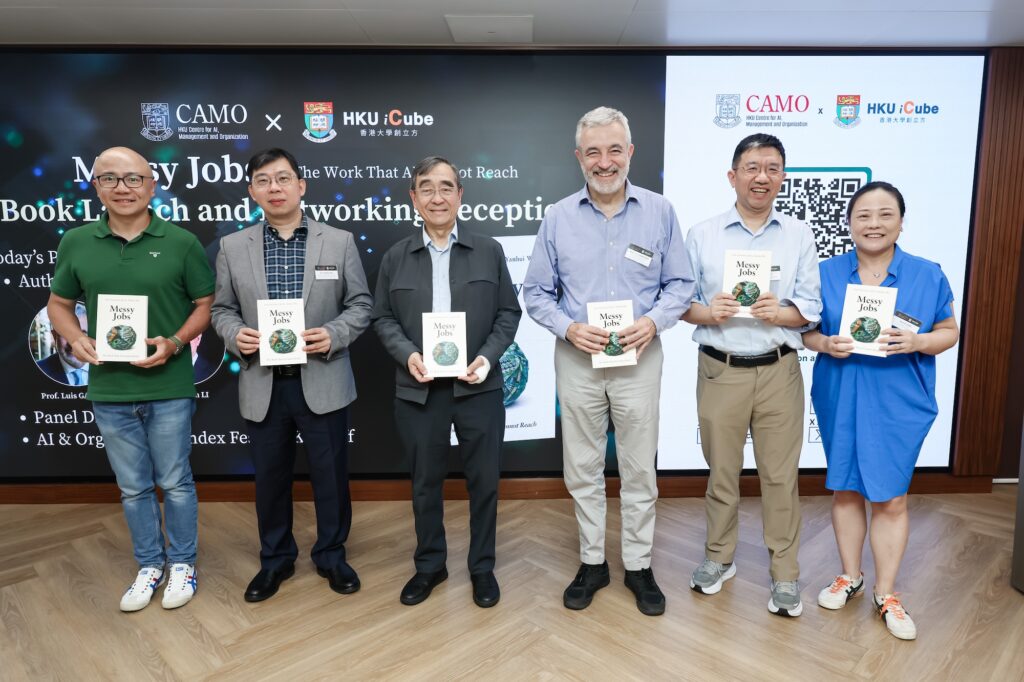
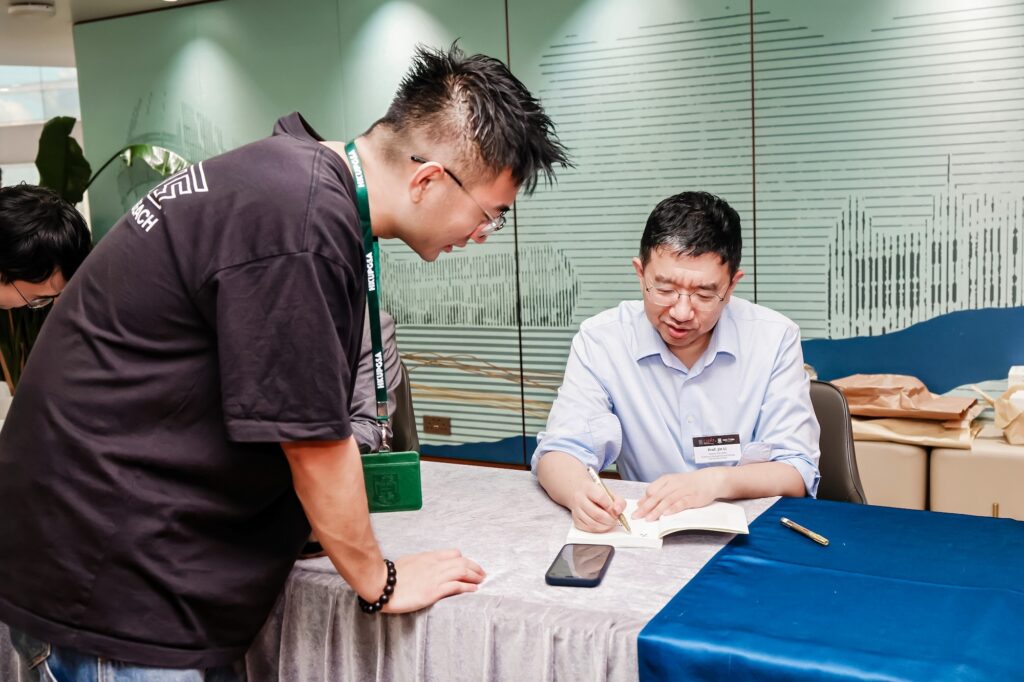
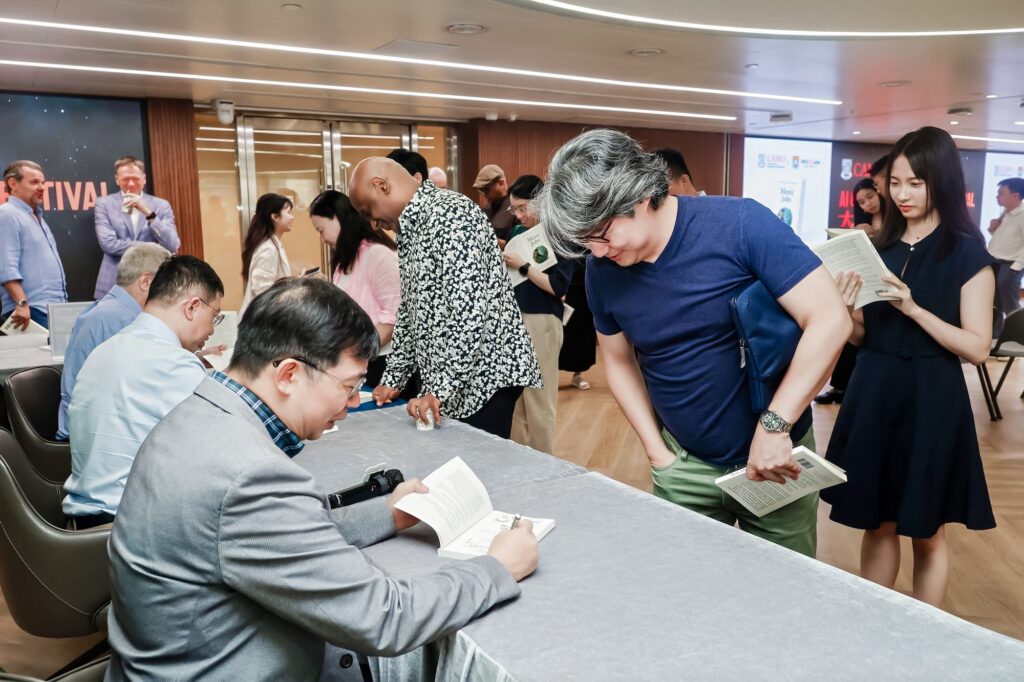
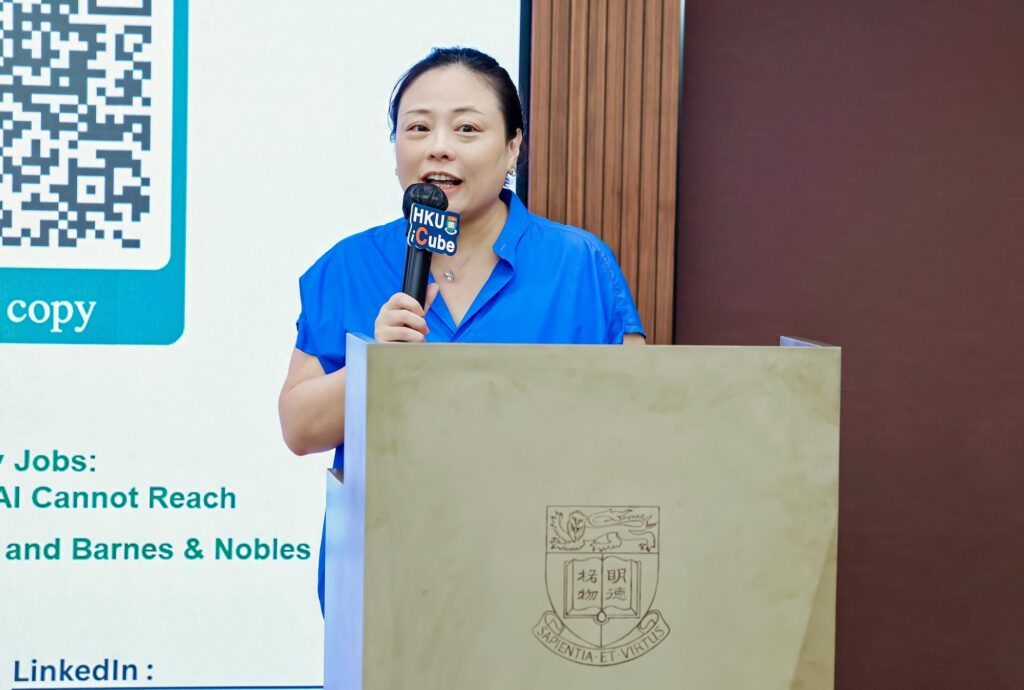
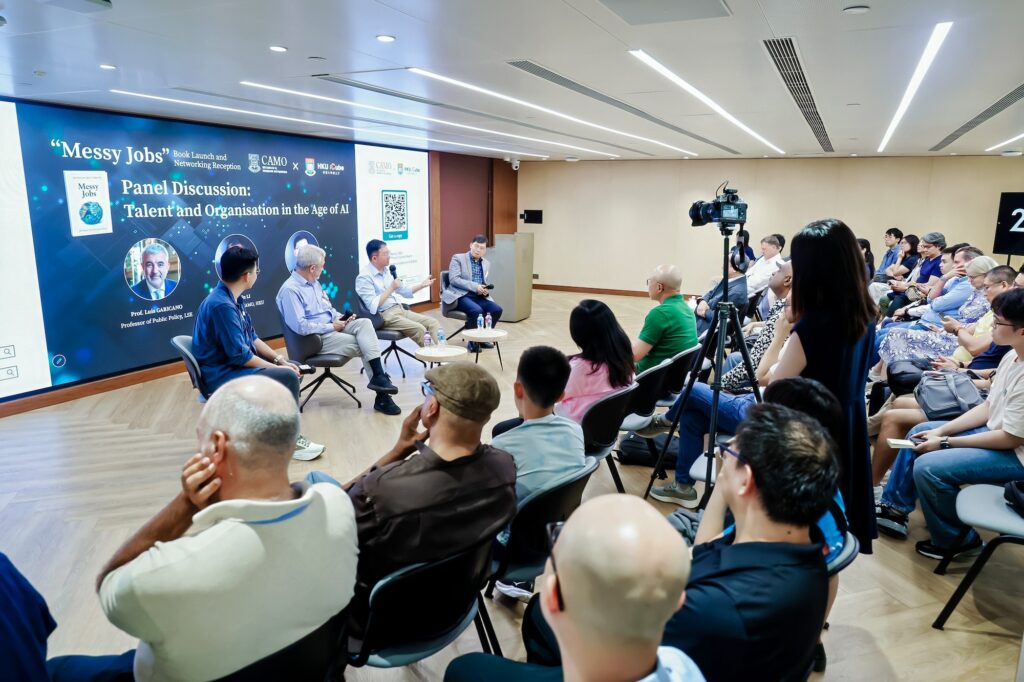
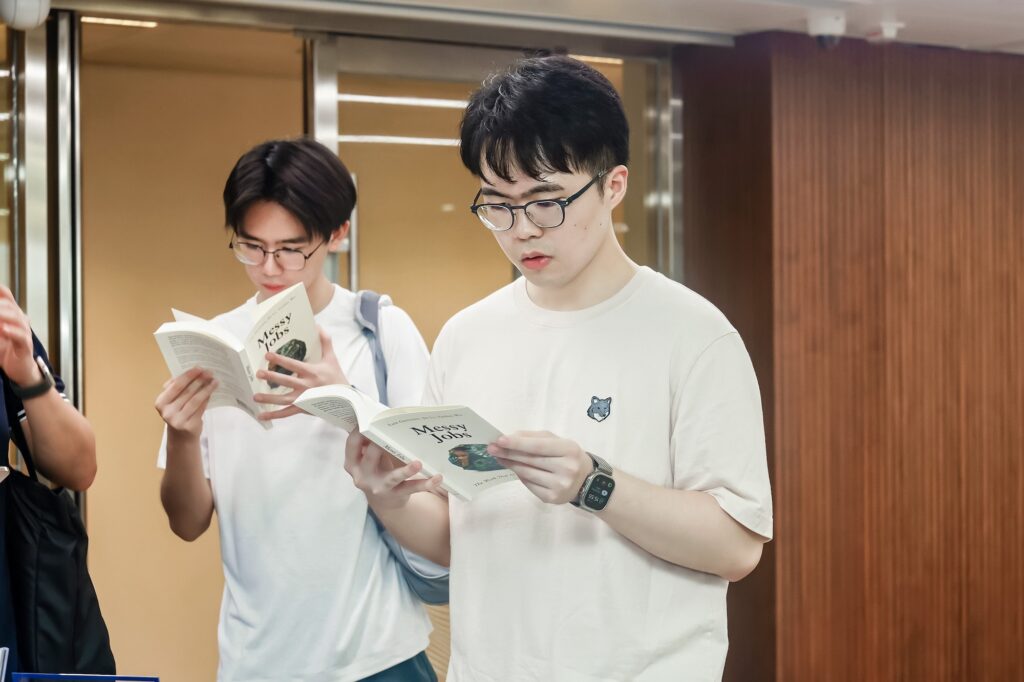
Hong Kong, 21 June 2026 — The Centre for AI, Management and Organization (CAMO) at the University of Hong Kong (HKU), in partnership with HKU iCube, hosted the “Messy Jobs: The Work That AI Cannot Reach” Book Launch and Networking Reception, which brought together over 80 participants from academia, industry, and the community in Central. The event marked the official launch of a book challenging the AI doom narratives as well as the opening of the AI & Organization Index Festival, CAMO’s new flagship initiative building toward a grand finale this November.
To learn more about the book, please visit :
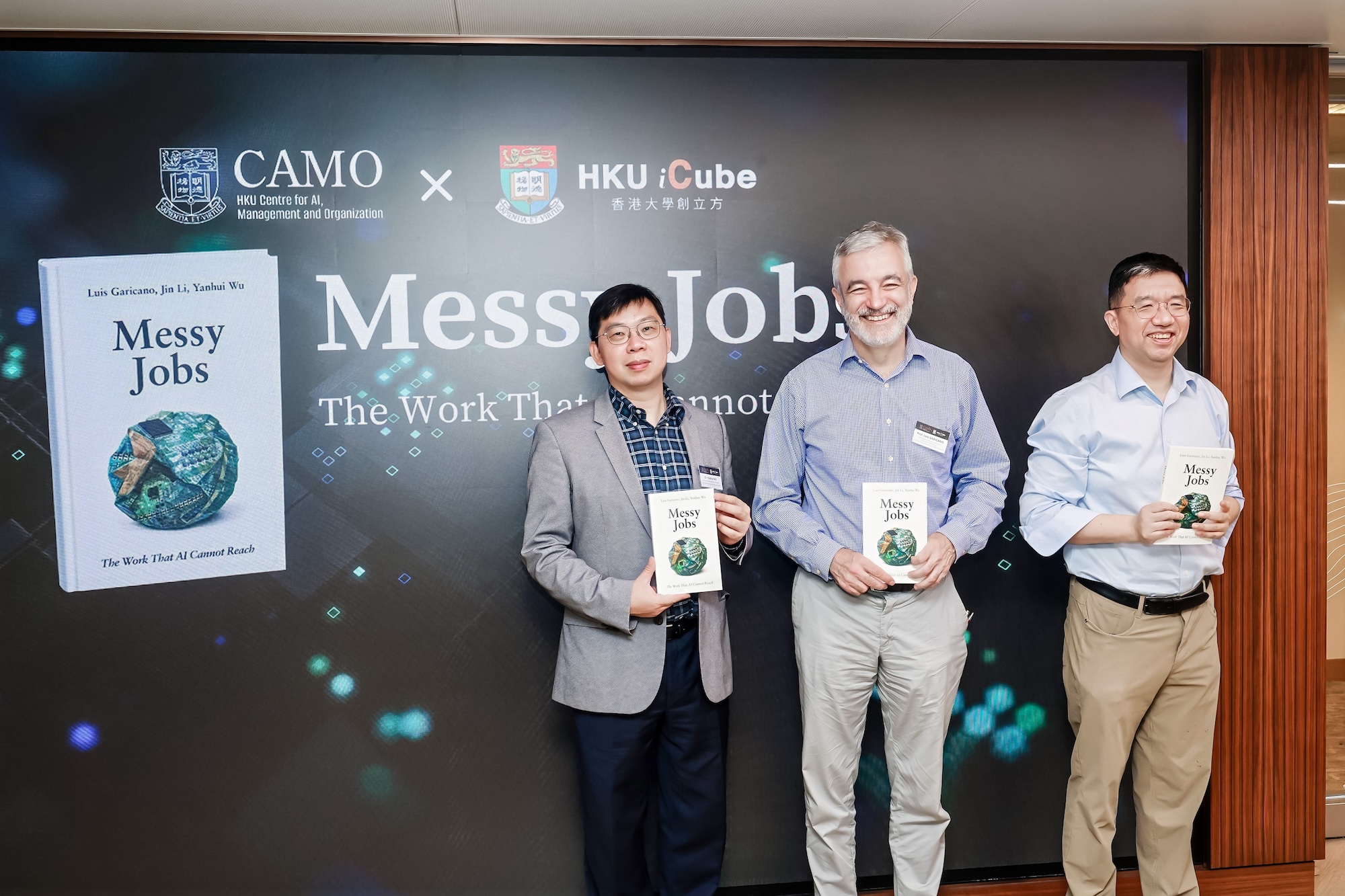
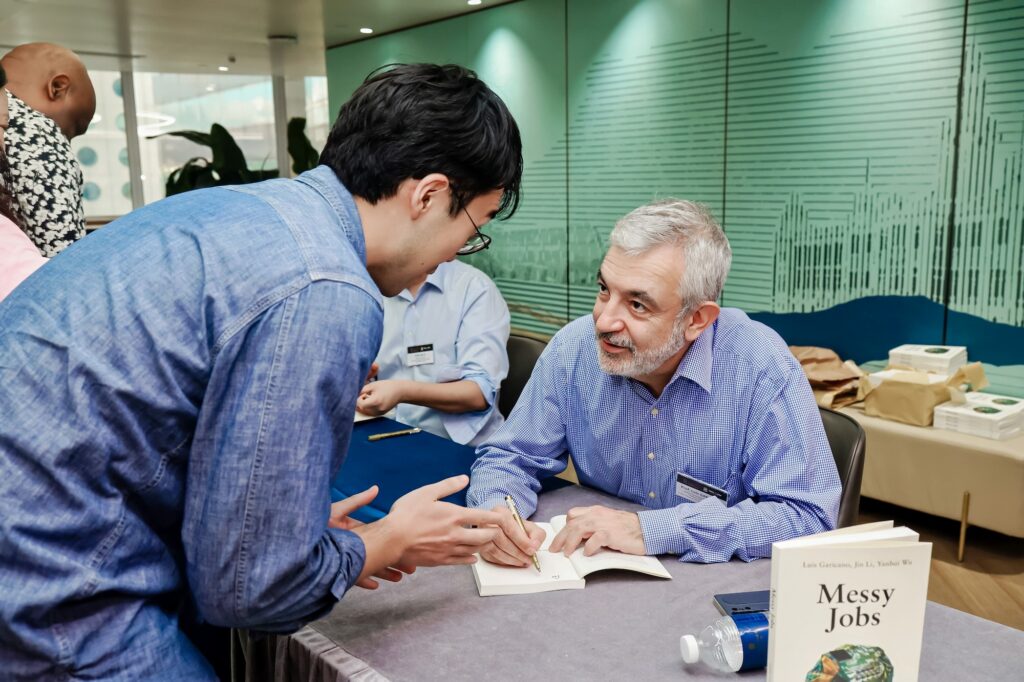
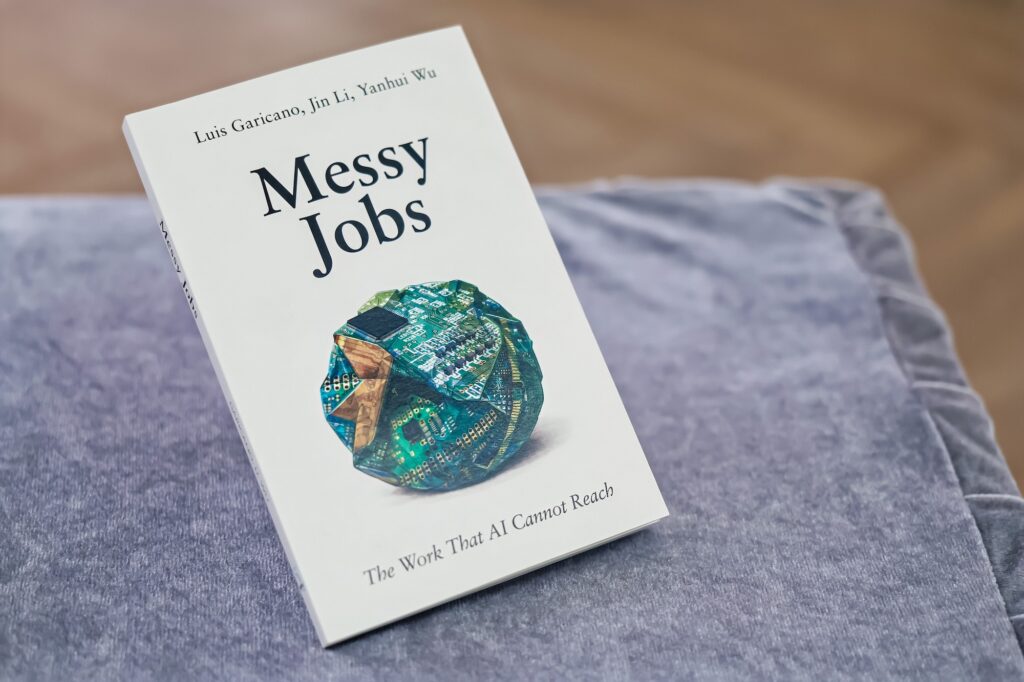
The event marked the official launch of Messy Jobs: The Work That AI Cannot Reach, published by Upriver Press. Co-authored by economists Professor Luis Garicano (Professor of Public Policy at the London School of Economics), Professor Jin Li, (Director of CAMO), and Professor Yanhui Wu (Area Head of Economics at HKU), the book challenges the widespread fear that AI will eliminate millions of jobs. When people hear that AI can write, code, and diagnose, many jump to a troubling conclusion: if AI can think, human work is doomed.
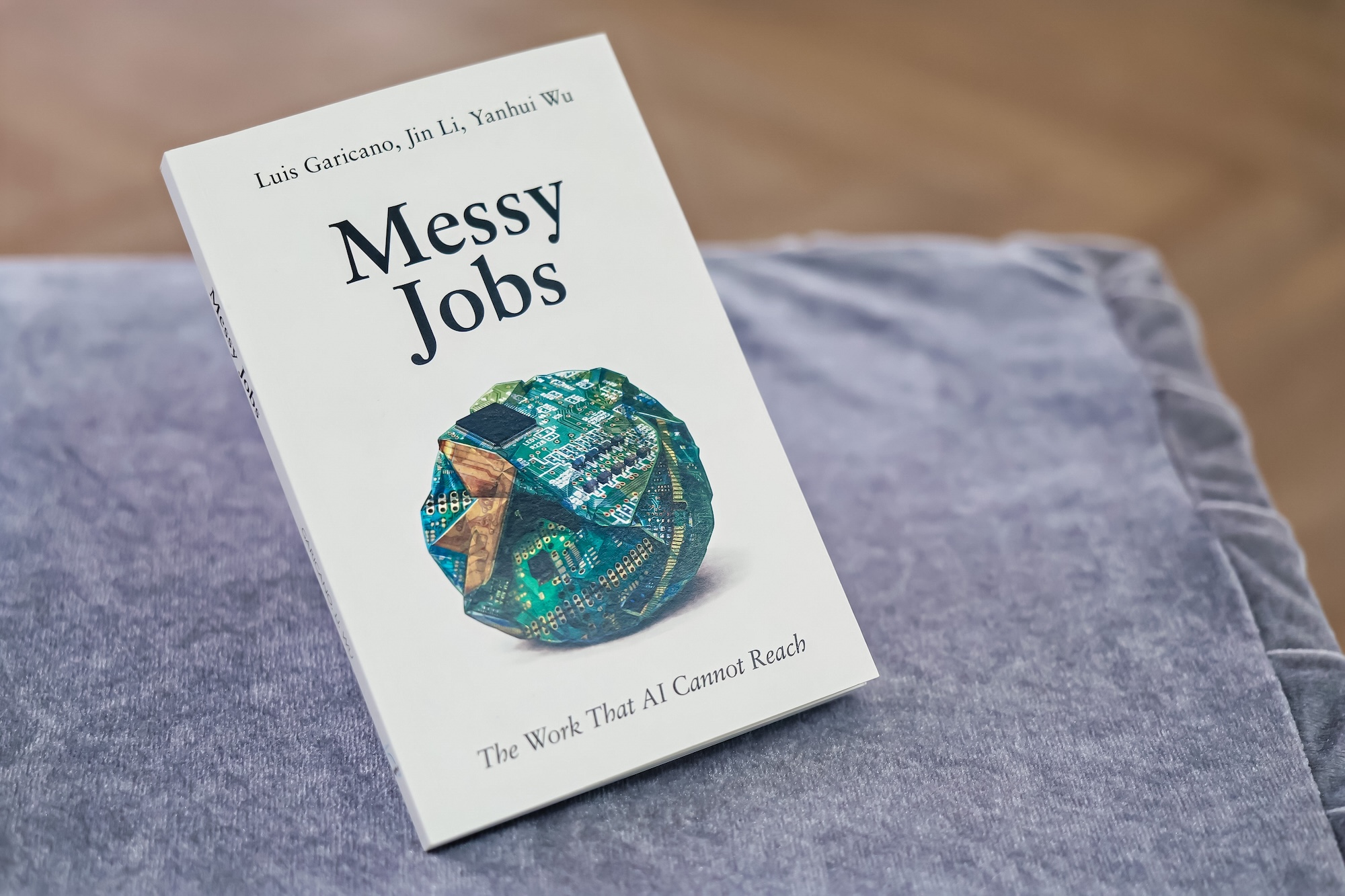
Messy Jobs argues that this view gets the economics of work wrong. By employing insights from organizational economics and recent findings on AI impact, the authors propose a new framework to understand which jobs will be lost, which will be changed, and why many of the most valuable aspects of human work will persist.
Their key message is that jobs are not just tasks but also bundles of judgment, coordination, accountability, tacit knowledge, and human relationships. If those elements are closely tied together, AI is less likely to displace them. Messy Jobs is an urgent, informative, and insightful guide to the future of work, opportunity, and human values in the era of AI.
CAMO extends its sincere thanks to Prof. Garicano, Prof. Li, and Prof. Wu for sharing not only the ideas behind the book, but also the motivation for writing it at this moment.
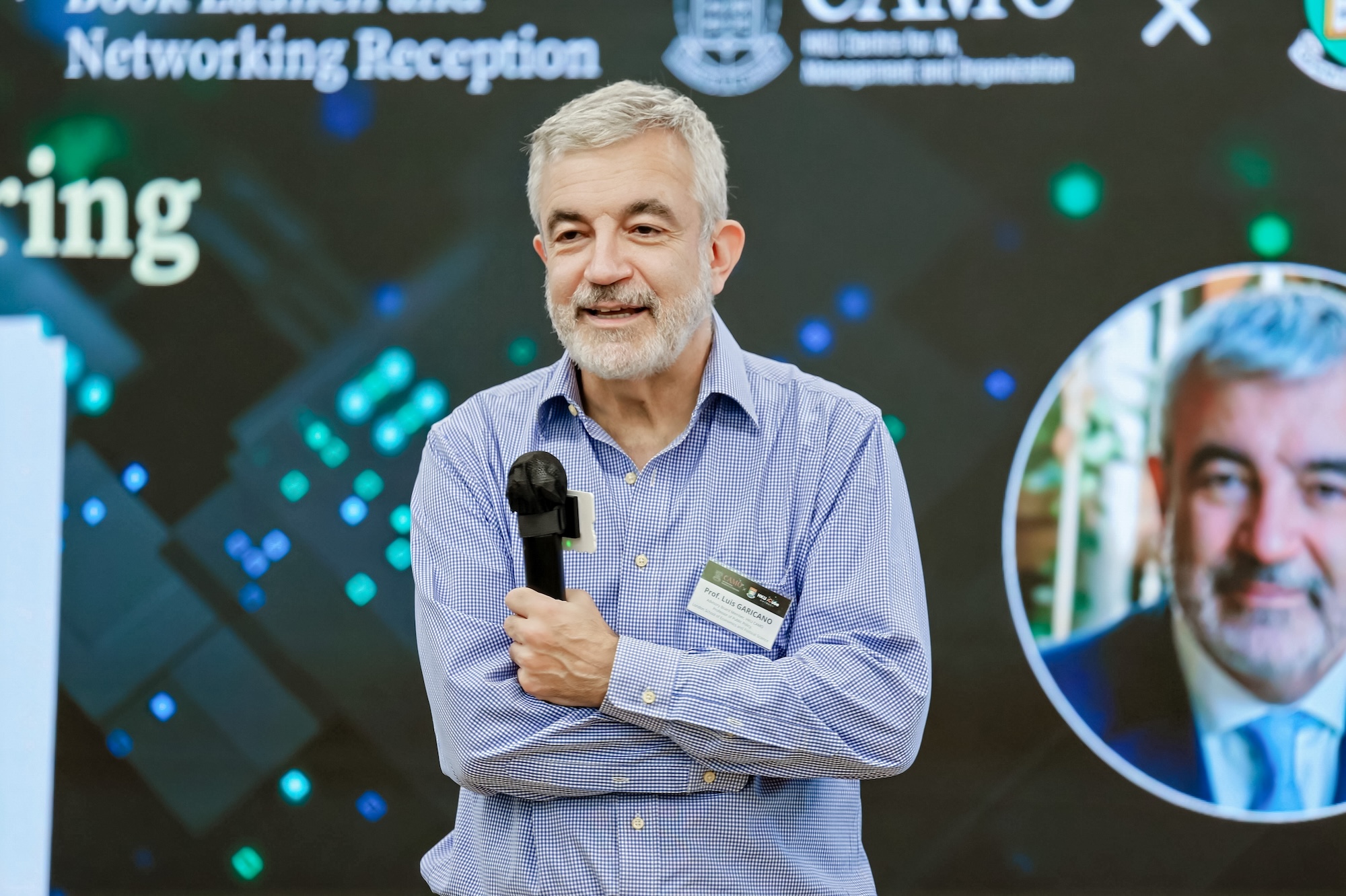
Prof. Garicano offered direct advice to young people navigating this moment: “Take the messy job. Choose roles with complex, bundled tasks and relational elements rather than clean, simple, verifiable ones.” It is precisely this messiness, he argued, that makes a job far more resilient to AI automation.
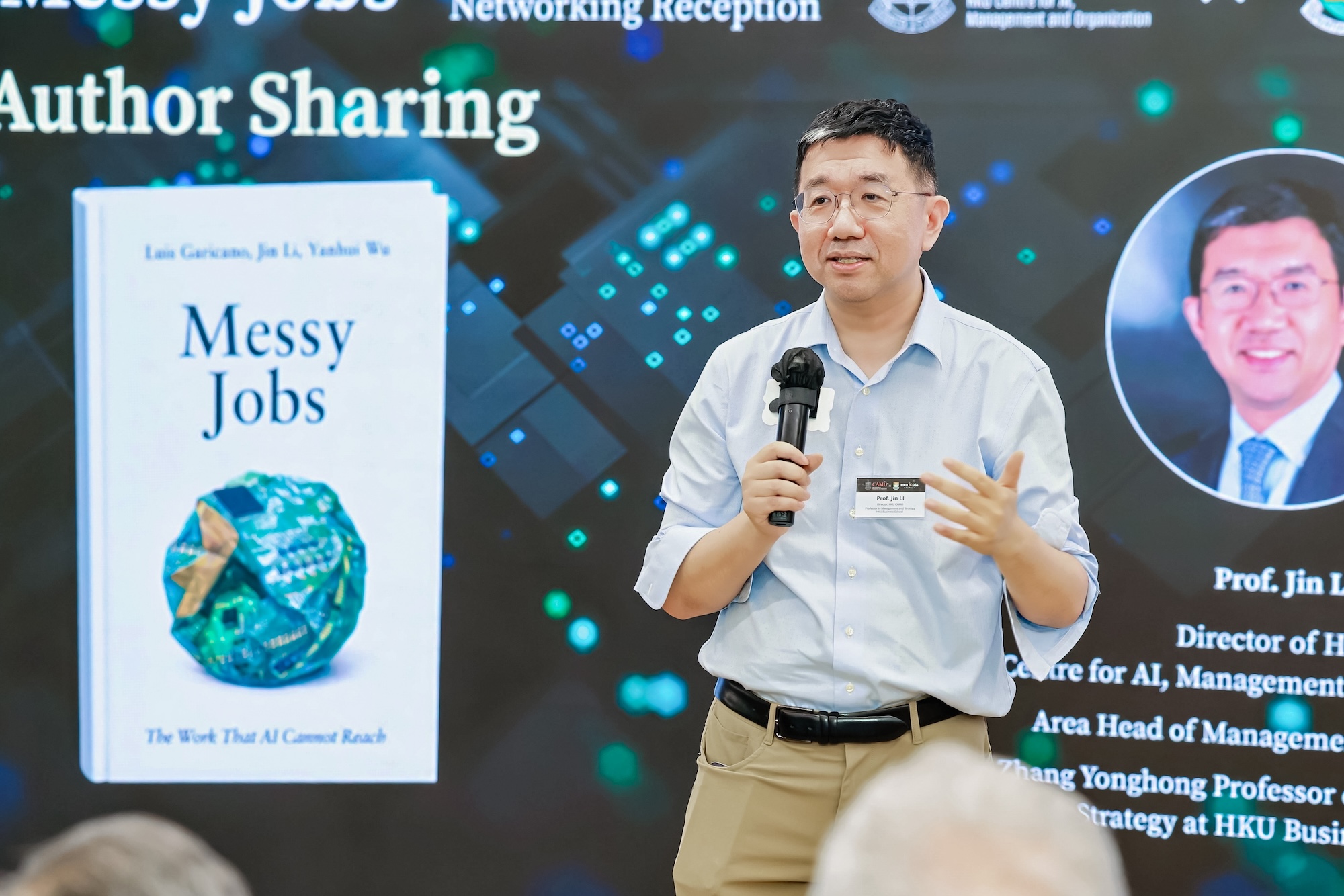
Prof. Li introduced the book’s concept of the Great Compression, the way AI flattens the quality distribution of work, and reflected that “We are now outsourcing memory, attention, comprehension, and communication.” He noted that since human biology cannot be rewired, “the focus must be on redesigning institutions to keep pace with technological change.”
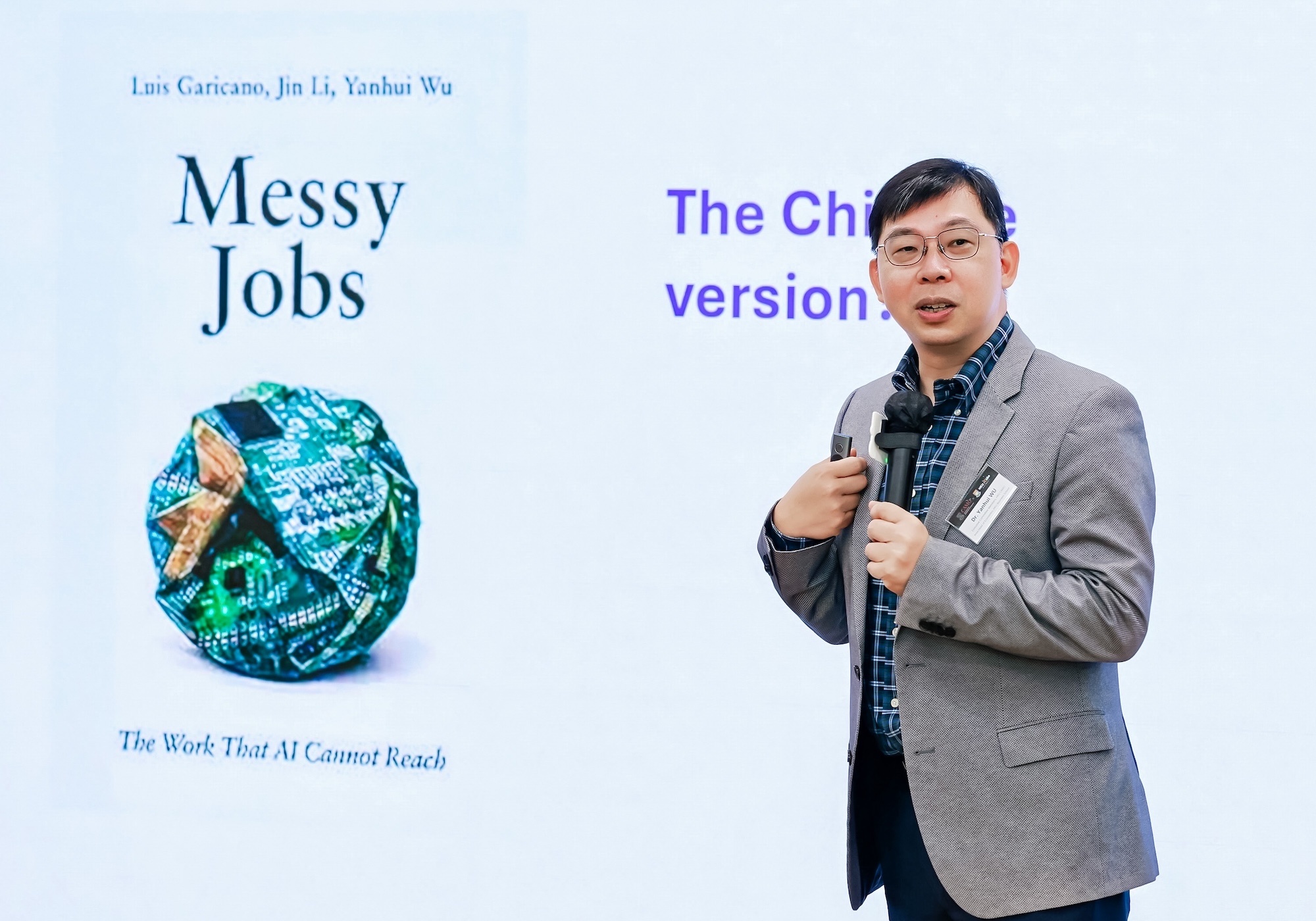
Prof. Wu stressed that the book does more than describe a trend. It offers a framework for thinking about society and the future. He drew a distinction between “Good Messiness” and “Bad Messiness,” and noted that every country must navigate its own complexities that make jobs inherently messier in ways that resist simple automation.
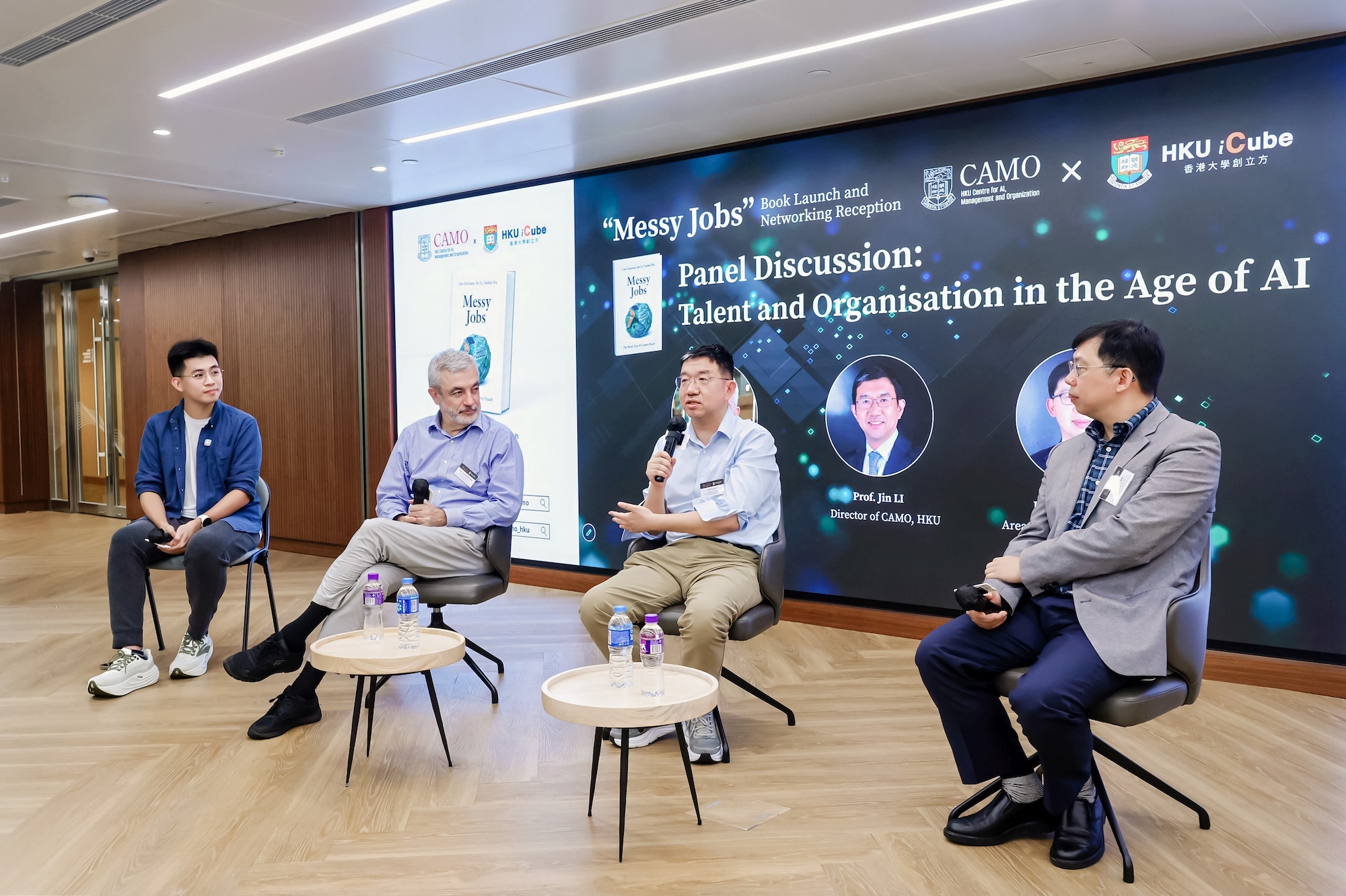
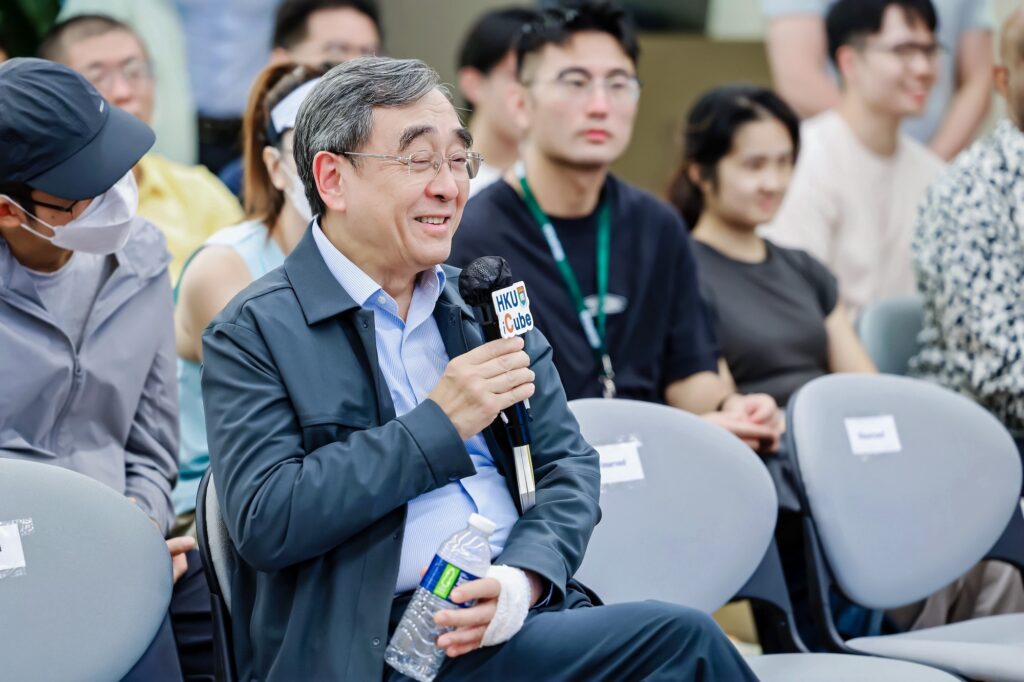
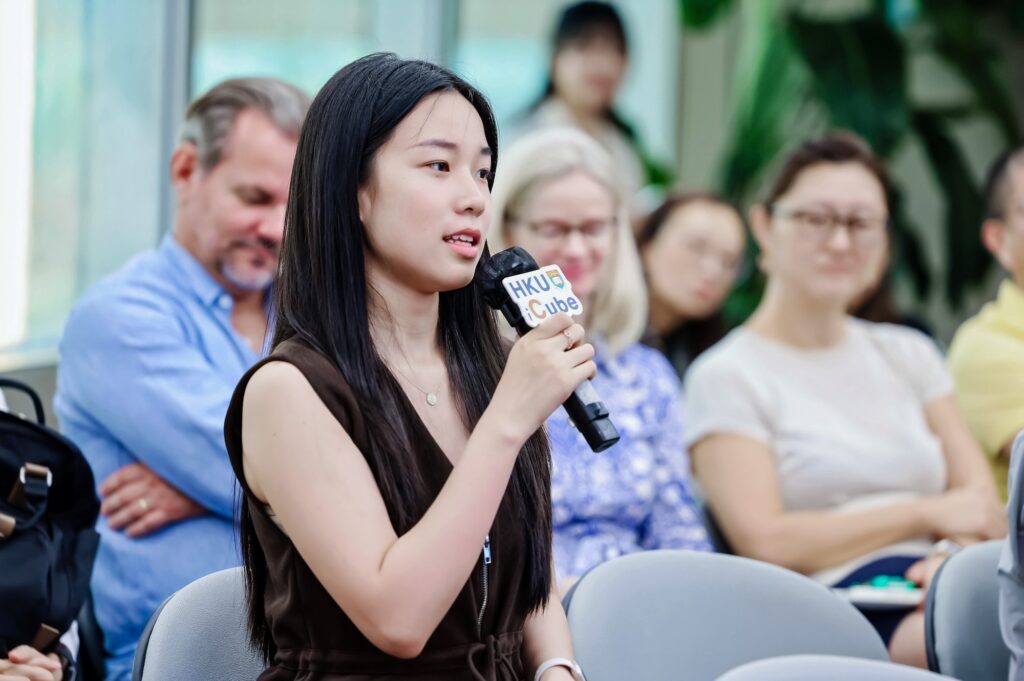
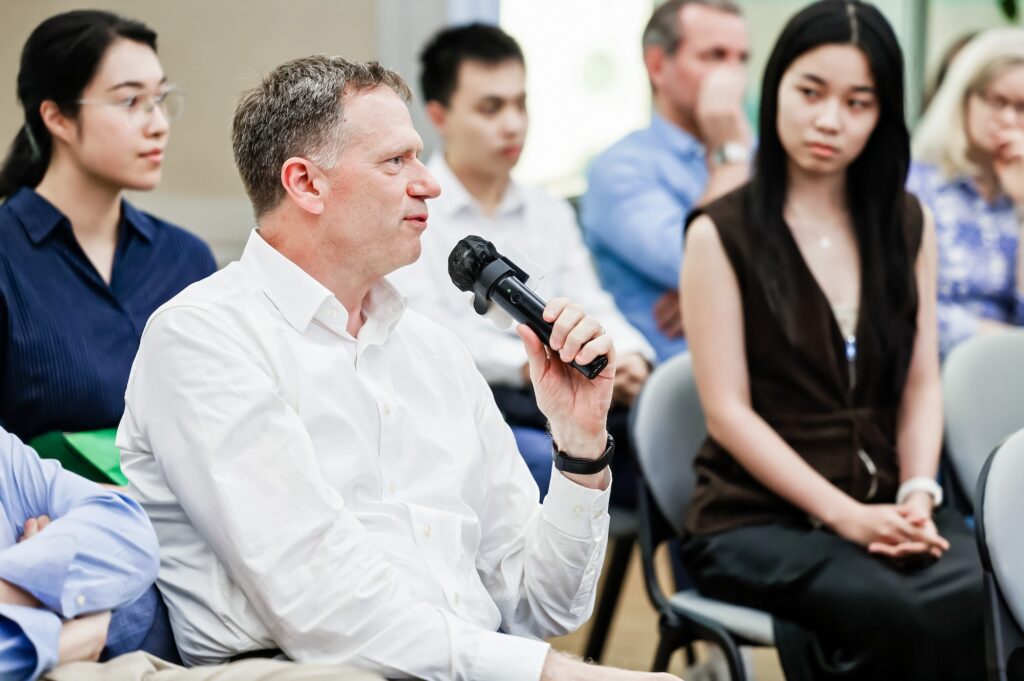
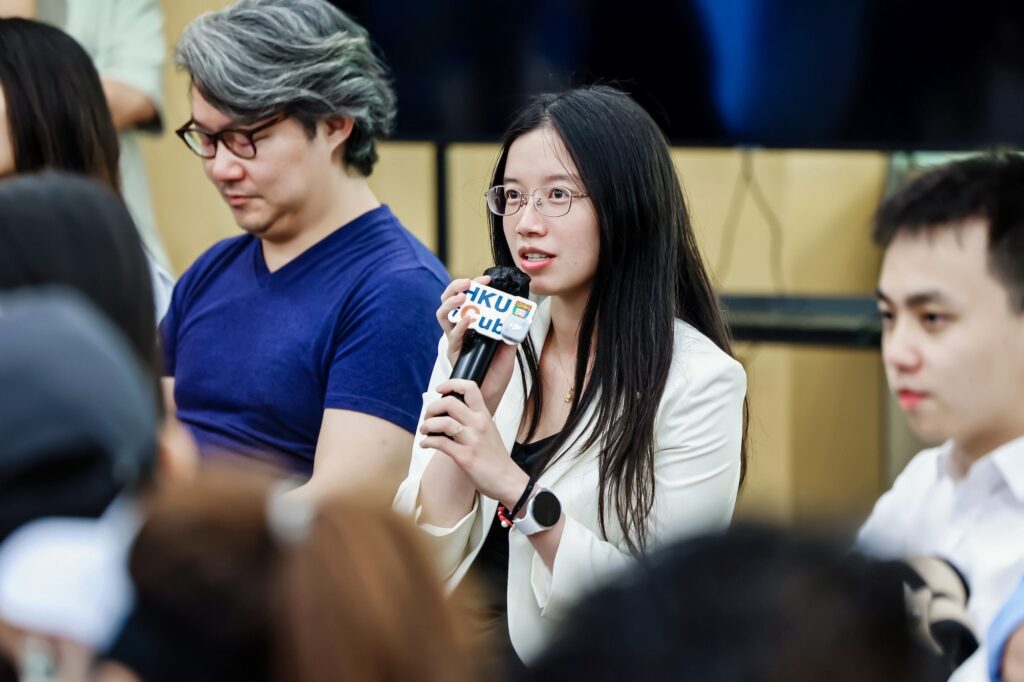
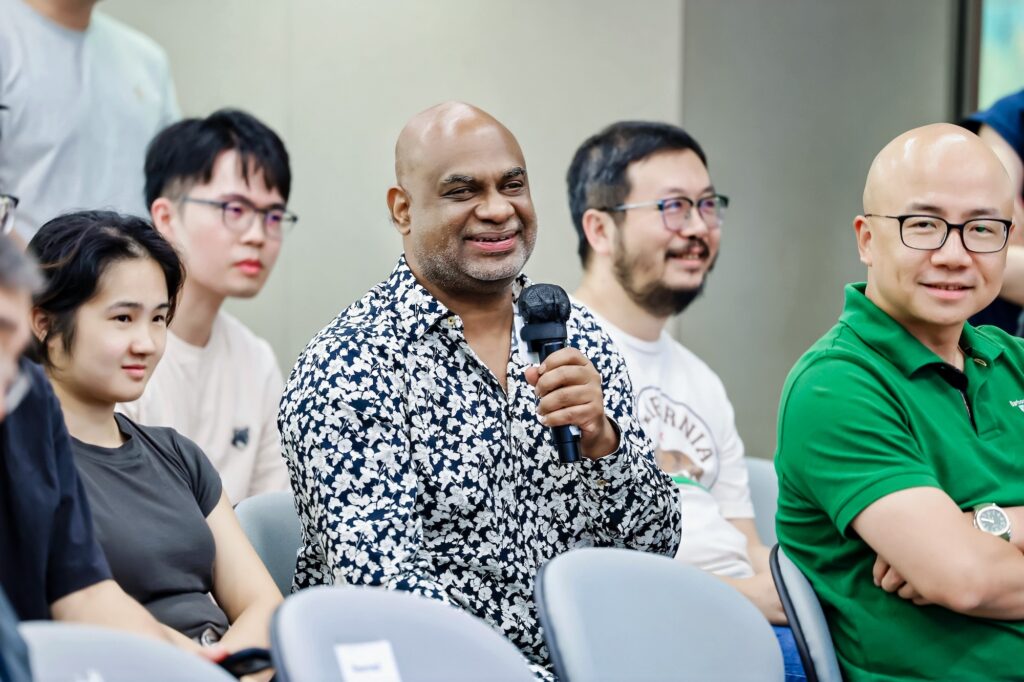
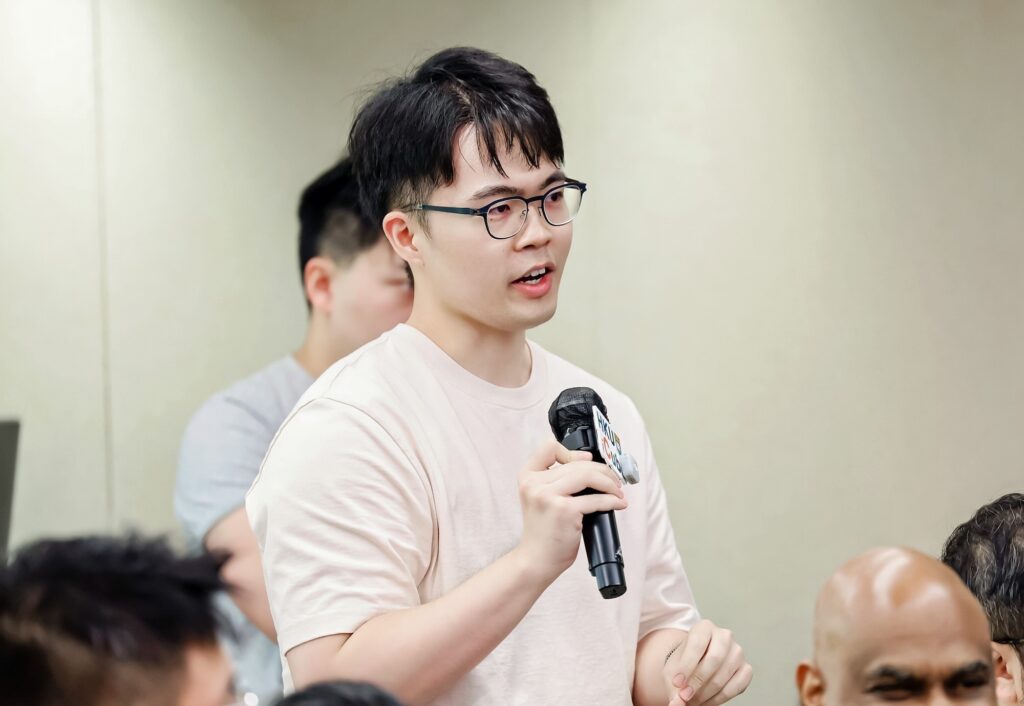
The panel session drew passionate questions from the floor, sparking a lively exchange between the authors and the audience. The discussion kept returning to a central conviction: that human judgment, especially in situations demanding interpretation and accountability, does not easily yield to algorithmic substitution.
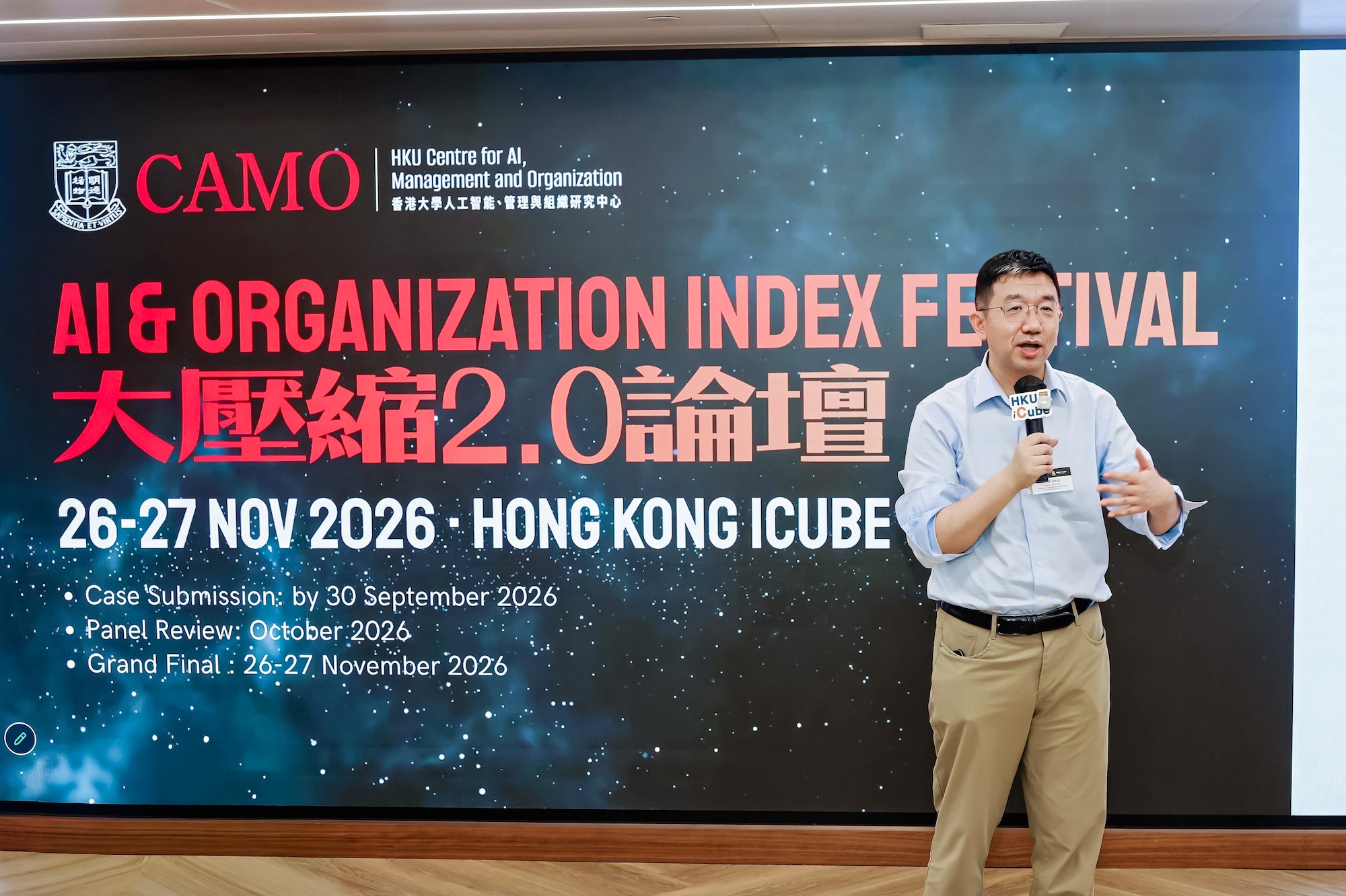
The event also marked the official launch of the AI & Organization Index Festival, a new initiative that will build momentum through September and October before concluding with a grand finale on November 26 and 27, 2026. The festival brings together a series of surveys, case presentations, and panel judgments. Chinese firms will be invited to assess how “AI native” they are using a dedicated framework, with an index to be publicly released. Case showcases will then spotlight companies that have led the way in AI transformation, and prizes will be awarded to recognize outstanding efforts in organizational AI adoption. Further details on the programme and activities will be announced in the months ahead.

CAMO is the premier research centre exploring how AI transforms organizations, management practices, and the nature of work, including its implications for talent development and economic life. The launch of Messy Jobs opens an important new conversation about what work will look like in an AI age, and why the most valuable human capabilities may become more visible, not less, as technology advances.
For enquiries, please contact CAMO at camo@hku.hk.